

A 1000W pure sine wave inverter represents the sweet spot for many RV owners—sufficient continuous power for laptops, CPAP machines, small appliances, and entertainment systems without the weight, cost, or battery drain of larger units. This guide examines the technical specifications, installation considerations, and real-world performance of the top 1000W inverters available for RV applications.
TL;DR — Best Picks
Best Overall: Victron Phoenix 12/1200 – High efficiency (up to 91%) with robust build quality and comprehensive protection features.
Best Budget: AIMS Power PWRI100012120S – Reliable pure sine wave output at an accessible price point with solid warranty coverage.
Best for Compact Rigs: Renogy 1000W Pure Sine Wave – Lightweight design (6.0 lbs) with integrated USB ports and remote capability.
Buyer’s Guide
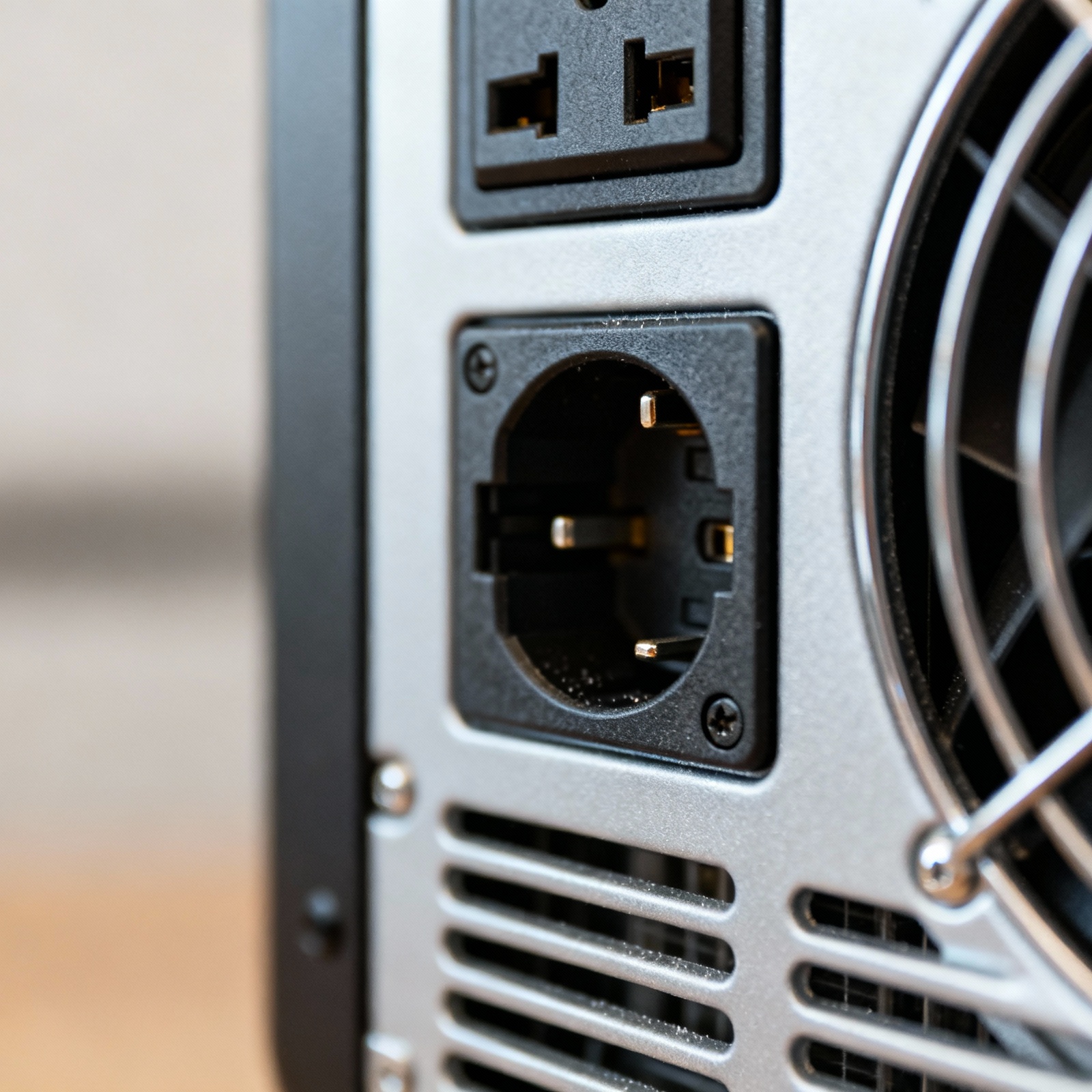
Power & Sizing
The 1000W rating refers to continuous output—the sustained power the inverter can deliver indefinitely under proper thermal conditions. Surge or peak ratings (typically 1500W–2000W for this class) indicate short-duration capacity for motor startup loads lasting 5–15 seconds.
When sizing, calculate your simultaneous load requirements:
- CPAP machine: 30–60W
- Laptop charger: 45–90W
- 32″ LED TV: 30–55W
- Residential refrigerator (running): 100–150W
- Coffee maker: 600–900W
- Microwave (700W rated): 1000–1200W actual draw
A 1000W inverter handles most individual appliances but cannot run multiple high-draw devices simultaneously. For microwaves or coffee makers, verify the surge rating exceeds the appliance’s startup demand by at least 20%.
Efficiency & Battery Impact
Inverter efficiency directly affects battery runtime. A 90% efficient inverter delivering 500W to your load draws approximately 556W from the battery (500W ÷ 0.90). At 12V nominal, that’s roughly 46A. Higher efficiency units (92–93%) reduce this draw meaningfully over extended use.
No-load or standby consumption matters for always-on installations.
Quality 1000W inverters draw 0.3–0.8A with no load connected. Over 24 hours, a 0.5A standby draw consumes 12Ah—significant for smaller battery banks. Units with automatic standby modes or remote on/off switches help mitigate this drain.
Waveform Quality
Pure sine wave output is essential for:
- Medical equipment (CPAP, oxygen concentrators)
- Variable-speed motors (some fans, newer refrigerators)
- Sensitive electronics (laptops, gaming consoles)
- Battery chargers with active PFC circuits
Total Harmonic Distortion (THD) below 3% indicates clean power comparable to grid electricity. Modified sine wave inverters cost less but can cause motor heating, audio buzz, and charging issues with certain devices.
Input Voltage & Battery Compatibility
Most RV systems operate at 12V nominal, but 24V configurations exist in larger coaches and DIY builds. Verify the inverter matches your battery bank voltage exactly—a 12V inverter connected to a 24V bank will be destroyed instantly.
Input voltage range specifications indicate operational tolerance. A typical 12V inverter operates from 10.5V–15.5V. Units with wider ranges (10.0V–16.0V) provide better compatibility with lithium batteries, which maintain higher voltage under load and during charging.
Physical Installation Considerations
Weight ranges from 6.0 lbs to over 9 lbs in this class.
Mounting orientation affects cooling—most units require horizontal installation with adequate clearance (typically 2–4 inches) on all sides for airflow. Vertical mounting may void warranties or trigger thermal shutdowns.
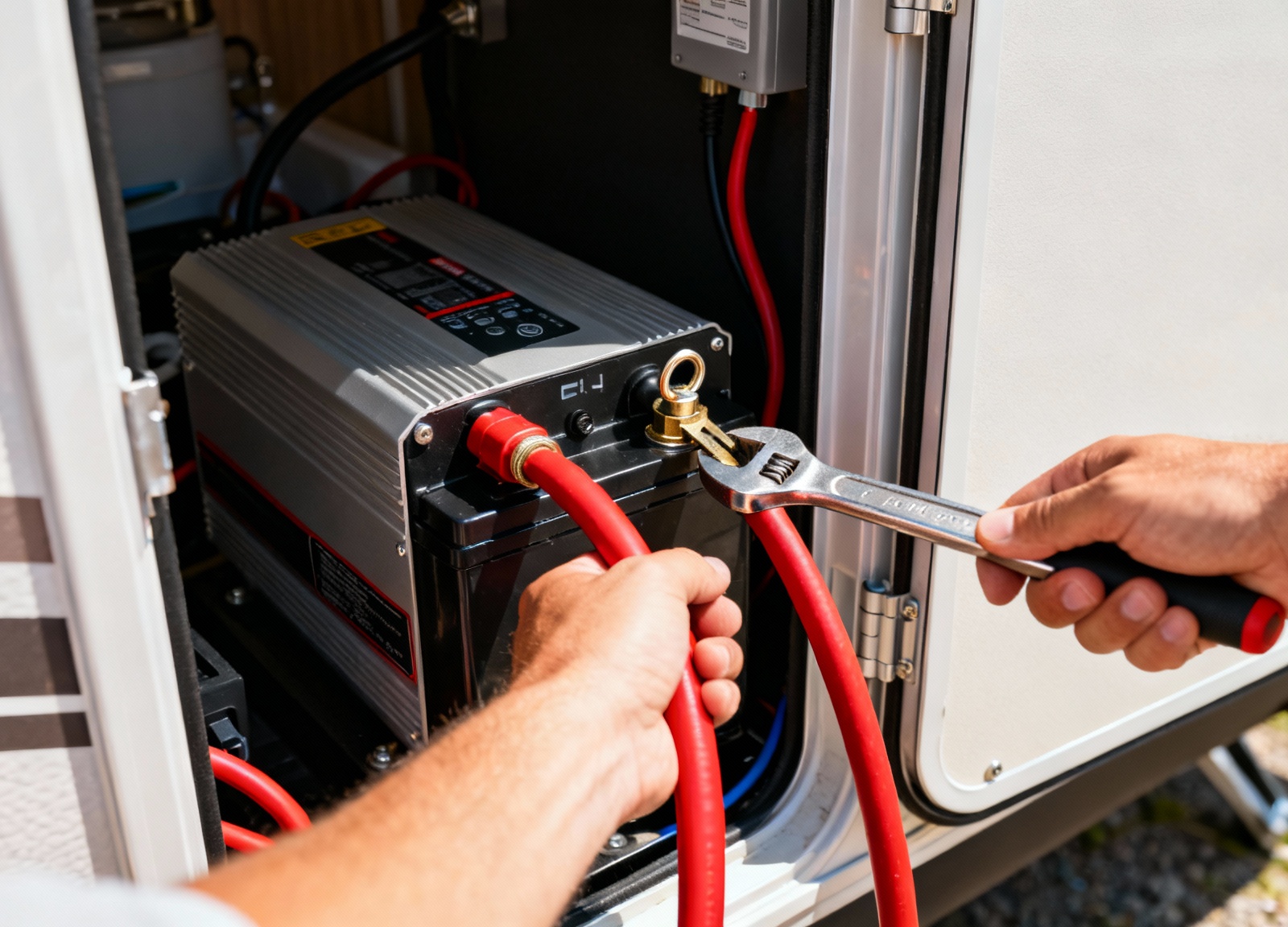
Terminal configuration varies between models. Ring terminal posts accommodate standard battery cables, while some units use integrated cable assemblies. Verify the included cable length (typically 2–3 feet) suits your installation or plan for appropriate gauge extensions.
Protection Features
Essential protections for RV applications include:
- Low voltage disconnect (LVD): Prevents deep discharge damage; typical cutoff at 10.5V for lead-acid, adjustable for lithium
- High voltage protection: Shuts down if input exceeds safe limits during charging
- Overload protection: Automatic shutdown when output exceeds rated capacity
- Over-temperature protection: Reduces output or shuts down to prevent damage
- Short circuit protection: Immediate shutdown with automatic reset
Ground fault protection and GFCI outlets are not standard on most inverters; install downstream GFCI receptacles for wet-area circuits.
Product Details
Victron Phoenix 12/1200
Key specs: 1000W continuous, 2200W peak, 12V DC input (9.2V–17.0V range), up to 91% max efficiency, 16.3 lbs, 5-year warranty. View on Amazon
- Industry-leading efficiency reduces battery consumption by 3–5% compared to competitors
- Bluetooth connectivity via optional VE.Direct dongle enables smartphone monitoring and configuration
- SenseBus input allows voltage compensation for cable losses
- Hybrid HF technology combines high-frequency switching with robust output stage
- Premium pricing positions it above budget alternatives
- Remote panel and Bluetooth adapter sold separately, adding $50–100 to total cost
The Phoenix series represents Victron’s commitment to professional-grade power electronics. The 1200W 30-minute rating provides meaningful headroom for sustained moderate overloads. Conformal coating on circuit boards enhances humidity resistance—valuable in coastal or humid climates.
AIMS Power PWRI100012120S
Key specs: 1000W continuous, 2000W surge (20 seconds), 12V DC input (10.0V–15.5V range), 90% efficiency, 7.5 lbs, 2-year warranty. View on Amazon
- Exceptional surge capacity handles motor startup loads effectively
- Hardwired remote panel included at no additional cost
- Dual GFCI-style AC outlets (not actual GFCI protection)
- US-based technical support with responsive warranty service
- Cooling fan activates at lower thresholds, creating audible noise during moderate loads
- Efficiency drops to approximately 85% at light loads below 200W
AIMS Power has built a reputation in the RV community for delivering reliable performance at accessible price points. The included remote panel—a $30–50 value with other brands—makes this unit particularly attractive for installations where the inverter mounts in an inaccessible location.
Renogy 1000W Pure Sine Wave Inverter
Key specs: 1000W continuous, 2000W surge (5 seconds), 12V DC input (10.5V–15.5V range), 90% efficiency, 6.0 lbs, 2-year warranty. View on Amazon
- Lightest unit in this comparison at 6.0 lbs
- Integrated dual USB ports (5V/2.1A each) eliminate need for separate chargers
- Optional wireless remote available for $25
- Compact dimensions (13.4″ × 6.1″ × 3.4″) fit tight spaces
- Surge duration limited to 5 seconds—may struggle with some motor loads
- Basic LED indicators rather than LCD display
Renogy’s inverter targets the space-conscious RVer. The integrated USB ports add genuine convenience, though their 2.1A output won’t fast-charge modern smartphones. The shorter surge duration requires careful load matching—verify your appliances’ startup characteristics before purchase.
Go Power! GP-SW1000-12
Key specs: 1000W continuous, 2000W surge, 12V DC input (10.5V–16.0V range), 91% efficiency, 9.2 lbs, 2-year warranty. View on Amazon
- CSA and ETL certified for North American safety standards
- Extensive dealer network provides installation support
- Comprehensive documentation with RV-specific guidance
- Wide input voltage range accommodates lithium battery charging profiles
- Heavier than competitors at 9.2 lbs
- Premium pricing reflects brand positioning and certification costs
Go Power! dominates the OEM RV market, meaning dealer familiarity and parts availability exceed other brands. The CSA certification matters for Canadian RVers and those seeking insurance compliance. Documentation quality stands out—installation manuals include RV-specific wiring diagrams and troubleshooting guides.
Xantrex PROwatt SW 1000
Key specs: 1000W continuous, 2000W surge, 12V DC input (10.5V–15.5V range), 91% efficiency, 8.8 lbs, 2-year warranty. View on Amazon
- Conformal-coated circuit boards resist moisture and salt air
- Ignition protection certification for marine and vehicle applications
- Automatic thermal derating maintains operation rather than hard shutdown
- Established brand with decades of mobile power experience
- Remote options limited compared to competitors
- Price premium over similar-spec alternatives
Xantrex’s marine heritage shows in the PROwatt’s environmental protection. The conformal coating and ignition protection make this unit suitable for RVers who also boat or camp in coastal environments. Thermal derating—reducing output rather than shutting down when hot—keeps critical loads running during high-demand periods.
Comparison Table
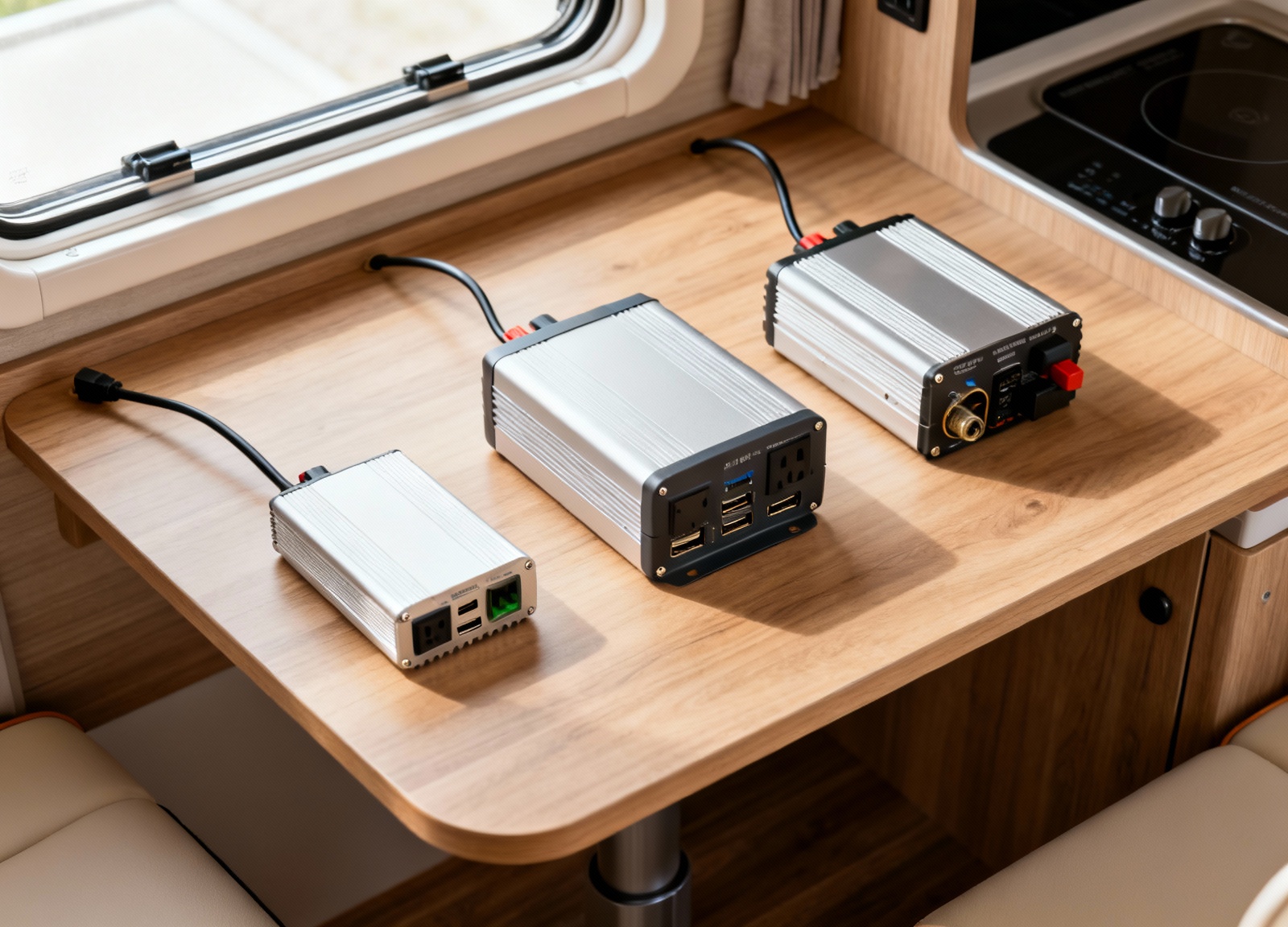
| Model | Type | Key Specs | Best for | Pros | Cons |
|---|---|---|---|---|---|
| Victron Phoenix 12/1200 | Pure Sine Wave Inverter | 1000W continuous, 2200W peak, 12V input, up to 91% max efficiency, 16.3 lbs, 5-year warranty | Premium installations requiring maximum reliability | Exceptional efficiency; configurable via VE.Direct (Bluetooth dongle); robust thermal management | Higher price point; requires separate remote panel purchase |
| AIMS Power PWRI100012120S | Pure Sine Wave Inverter | 1000W continuous, 2000W surge, 12V input, 90% efficiency, 7.5 lbs, 2-year warranty | Budget-conscious RVers needing reliable power | Strong surge capacity; competitive pricing; hardwired remote included | Slightly lower efficiency; fan noise under load |
| Renogy 1000W Pure Sine Wave | Pure Sine Wave Inverter | 1000W continuous, 2000W surge, 12V input, 90% efficiency, 6.0 lbs, 2-year warranty | Space-constrained installations | Compact footprint; dual USB ports; optional wireless remote | Limited surge duration; basic display |
| Giandel PS-1000KAR | Pure Sine Wave Inverter | 1000W continuous, 2000W peak, 12V input, 90% efficiency, 7.9 lbs, 18-month warranty | General RV use with remote monitoring | LCD display; wired remote included; dual AC outlets | Shorter warranty; moderate build quality |
| Go Power! GP-SW1000-12 | Pure Sine Wave Inverter | 1000W continuous, 2000W surge, 12V input, 91% efficiency, 9.2 lbs, 2-year warranty | RV-specific installations with dealer support | RV industry standard; excellent documentation; CSA certified | Heavier than competitors; premium pricing |
| Xantrex PROwatt SW 1000 | Pure Sine Wave Inverter | 1000W continuous, 2000W surge, 12V input, 91% efficiency, 8.8 lbs, 2-year warranty | Marine crossover and harsh environments | Conformal-coated boards; ignition protection; true sine wave | Higher cost; limited remote options |
| Samlex SSW-1000-12A | Pure Sine Wave Inverter | 1000W continuous, 1500W surge, 12V input, 88% efficiency, 7.7 lbs, 2-year warranty | Sensitive electronics and medical equipment | Very clean waveform (<3% THD); quiet operation; compact | Lower surge capacity; efficiency trails competitors |
Which One Should You Buy?
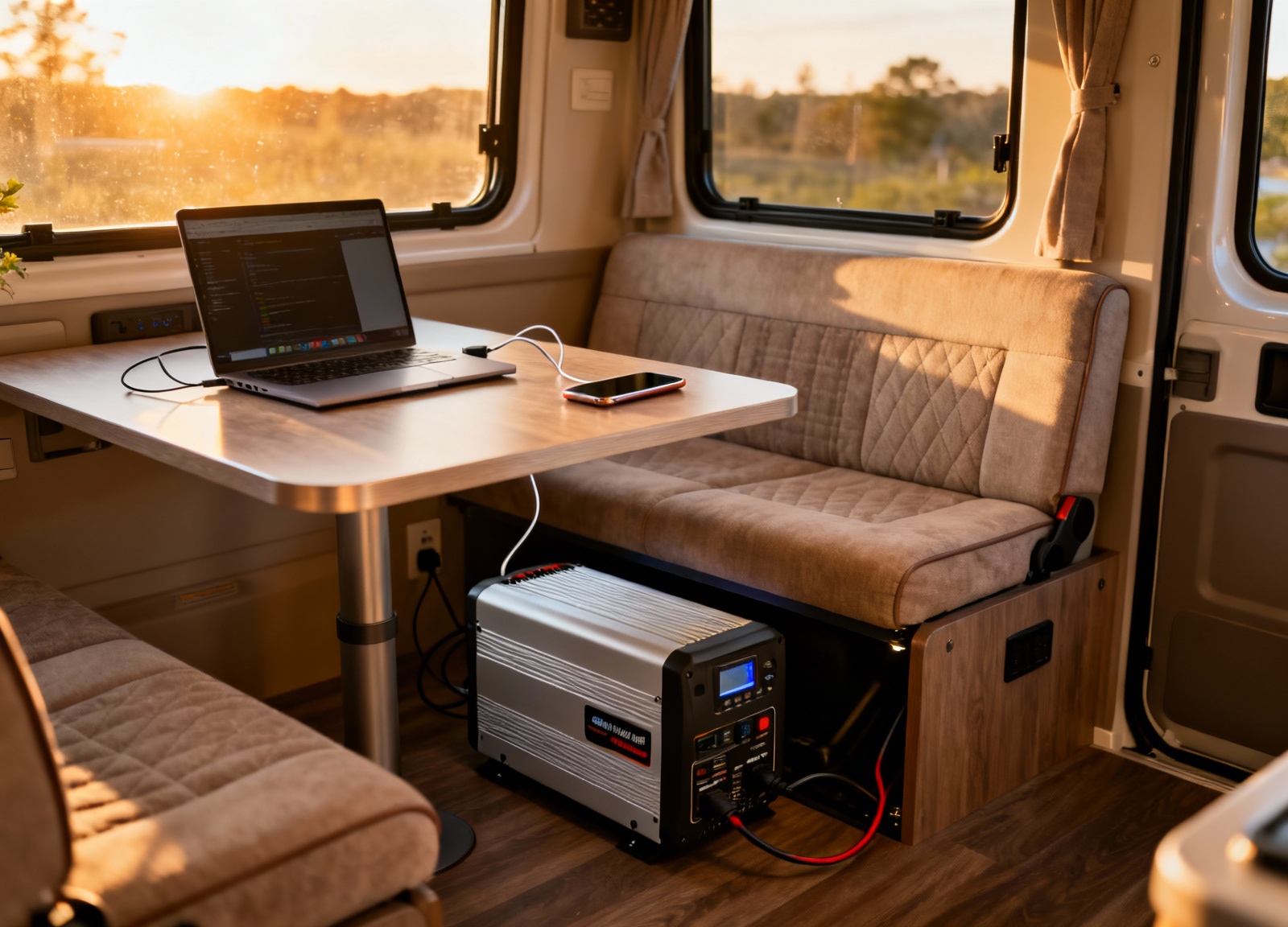
If you prioritize long-term reliability and maximum efficiency, the Victron Phoenix 12/1200 justifies its premium through superior build quality, industry-leading efficiency, and a 5-year warranty that outlasts competitors by 3 years. The efficiency advantage compounds over time—expect 10–15% longer runtime per charge cycle compared to 90% efficient alternatives.
If budget constraints drive your decision, the AIMS Power PWRI100012120S delivers genuine pure sine wave performance with the strongest surge rating in this comparison. The included remote panel adds value that closes the gap with premium competitors. Accept slightly higher fan noise and marginally lower efficiency as reasonable trade-offs.
If installation space is severely limited, the Renogy 1000W Pure Sine Wave’s compact dimensions and light weight enable mounting locations impossible for larger units. The integrated USB ports eliminate clutter. Verify your loads don’t require extended surge capacity before committing.
If dealer support and certification matter—particularly for warranty claims, insurance documentation, or Canadian compliance—the Go Power! GP-SW1000-12 provides peace of mind through its established distribution network and comprehensive certifications.
If environmental exposure concerns you—coastal camping, high humidity, or marine crossover use—the Xantrex PROwatt SW 1000’s conformal coating and ignition protection provide meaningful durability advantages.
Safety & Common Mistakes
- Install a correctly sized fuse (typically 150A for a 1000W/12V inverter) within 18 inches of the battery positive terminal—this protects against cable faults, not inverter overloads.
- Choose wire gauge for the expected current and run length; 4 AWG handles 1000W at 12V for runs up to 6 feet with acceptable voltage drop. Longer runs require 2 AWG or larger.
- Use proper battery and array disconnects; de-energize the system before any work. A 1000W inverter can draw 100+ amps—sufficient to cause severe burns or fires from accidental shorts.
- Avoid reversed polarity—double-check connections before powering on. Most inverters include reverse polarity protection, but some budget units do not.
- Provide adequate ventilation; inverters generate heat proportional to inefficiency. A 90% efficient unit running at 1000W output dissipates approximately 110W as heat.
- Torque terminal connections to manufacturer specifications (typically 35–50 in-lbs); loose connections cause resistance heating and potential fires.
Always consult your inverter’s manual for model-specific installation requirements and safety guidelines.
Recommended Gear
- Victron SmartSolar MPPT 100/30 — View on Amazon
- Renogy 100W Monocrystalline Panel — View on Amazon
- Battle Born 100Ah LiFePO4 Battery — View on Amazon
FAQs
- How big of a battery do I need to run a 1000W inverter? At full 1000W output, a 12V inverter draws approximately 95–100A accounting for efficiency losses. For one hour of runtime at full load, you need 100Ah of usable capacity. With lead-acid batteries (50% depth of discharge recommended), that means a 200Ah bank minimum. Lithium batteries can discharge to 80–90%, requiring only 110–125Ah for the same runtime. Most RV applications don’t sustain full load continuously—a 200Ah lithium bank typically provides 4–8 hours of mixed-use runtime.
- Can I run a microwave on a 1000W inverter? A microwave rated at 700W cooking power typically draws 1000–1200W from the wall due to magnetron inefficiency. This exceeds a 1000W inverter’s continuous rating. Small 600W microwaves drawing 800–900W may work, but verify the specific model’s actual power consumption before attempting. The inverter’s surge rating must also exceed the microwave’s startup spike.
- Is pure sine wave worth the extra cost over modified sine wave? For RV applications, pure sine wave is strongly recommended. Modified sine wave inverters cause audible buzz in audio equipment, can damage or reduce lifespan of motors with electronic speed controls, and may prevent proper charging of devices with active power factor correction. The $50–100 premium for pure sine wave eliminates these compatibility concerns entirely.
- Do I need a transfer switch with my inverter? A transfer switch automatically selects between shore power and inverter power, preventing backfeed and enabling seamless transitions. For hardwired installations powering dedicated circuits, a transfer switch is essential. For portable use with extension cords, manual switching suffices. Inverter/chargers (not covered in this guide) typically include integrated transfer switches.
- Why does my inverter shut down when I start certain appliances? Motor-driven appliances (refrigerators, air conditioners, power tools) draw 3–7 times their running wattage during startup. If this surge exceeds your inverter’s peak rating or duration capability, the overload protection triggers shutdown. Solutions include soft-start devices for the appliance, upgrading to an inverter with higher surge capacity, or accepting that specific loads exceed your system’s capability.
- How do I wire multiple batteries to my inverter? For parallel 12V configurations, connect batteries with equal-length cables to a common bus bar, then run appropriately sized cables from the bus bar to the inverter. This ensures balanced current draw across all batteries. Never connect the inverter directly to one battery in a parallel bank—this causes uneven discharge and premature battery failure. Use battery cables of identical gauge and length for all parallel connections.
As an Amazon Associate, we earn from qualifying purchases. This helps keep SunAmpRV running.