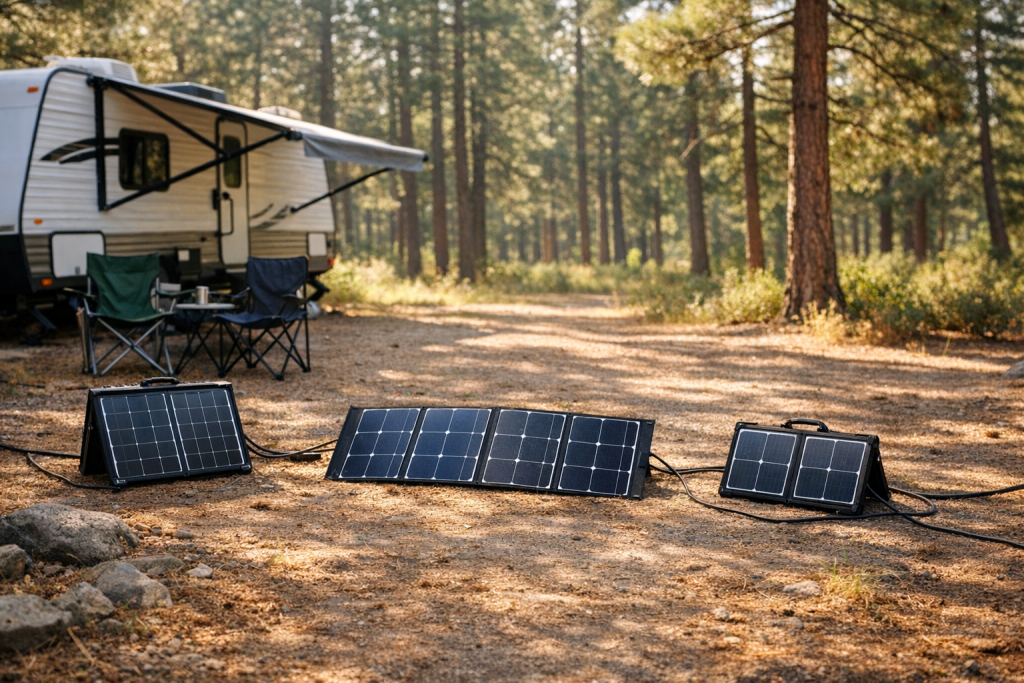
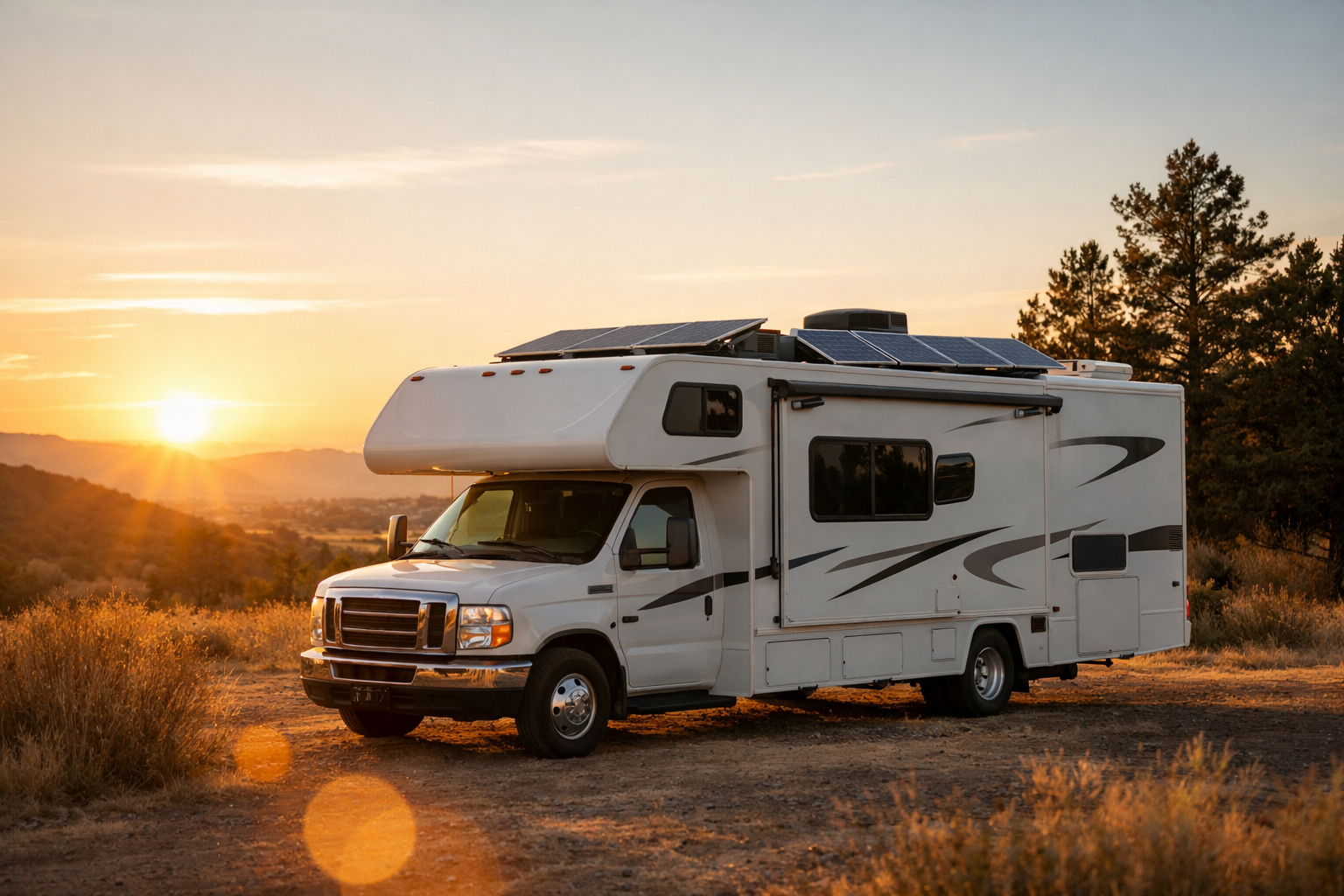
You’re parked on a remote stretch of BLM land in southern Utah, miles from the nearest hookup, and your RV’s factory converter is useless without shore power. Your coffee maker won’t run, your laptop is dying, and the microwave is just an expensive shelf. This is the moment you realize you need a proper inverter charger — a single device that converts your battery bank’s DC power into clean 120V AC, charges those batteries when you do find a generator or shore connection, and ideally plays nicely with a rooftop solar array.
Choosing the right unit means balancing wattage, wave quality, charging intelligence, and weight against your rig and off-grid ambitions. After weeks of research, community feedback, and spec-sheet analysis, here are the units that earn a spot on the short list.
TL;DR
- Best Overall: Victron MultiPlus-II 3000VA 12V — Gold-standard reliability, programmable charging profiles, and seamless integration with solar MPPT controllers.
- Best Budget: AIMS Power 3000W 12V Pure Sine Wave Inverter Charger — Solid performance and lithium compatibility at roughly half the price of premium brands.
- Best for Large Battery Banks: Victron MultiPlus-II 48/5000 — 5,000VA output on a 48V system handles air conditioning and large loads with ease.
- Best All-in-One With Solar Input: RICH SOLAR 3000W All-in-One Inverter Charger — Built-in 80A MPPT solar charge controller eliminates a separate box on the wall.
- Best Compact/Lightweight: Renogy 3000W 12V Pure Sine Wave Inverter Charger — Under 30 lbs with a clean feature set for smaller rigs and van conversions.
Victron MultiPlus-II 3000VA 12V — Best Overall
Ask in any serious boondocking forum what inverter charger to buy, and the Victron MultiPlus-II dominates the conversation. This 3,000VA (2,400W continuous) pure sine wave unit is built in the Netherlands with industrial-grade components. The transfer switch flips in under 20 milliseconds — fast enough that UPS-sensitive electronics never blink. Victron’s adaptive charging algorithm supports LiFePO4, AGM, gel, and flooded batteries, and you can fine-tune every parameter through the free VictronConnect app over Bluetooth.
What makes the MultiPlus-II particularly compelling for boondockers is its ecosystem. Pair it with a Victron SmartSolar MPPT controller and a Cerbo GX monitoring hub, and you get a fully integrated energy management system visible on your phone from anywhere in camp. The unit also supports PowerAssist, which supplements a weak generator or limited shore connection by pulling from the battery bank simultaneously — a lifesaver at crowded campgrounds with 15A pedestals.
The downsides? Price and complexity. The MultiPlus-II costs significantly more than budget alternatives, and the depth of its configuration options can overwhelm first-timers. You’ll also need a separate MPPT solar charge controller; there’s no built-in solar input. But for boondockers who want a power system that will still be running flawlessly five years from now, this is the benchmark.
AIMS Power 3000W 12V Pure Sine Wave Inverter Charger — Best Budget Option
AIMS Power has been a staple in the off-grid RV community for years. Their 3000W 12V inverter charger (model PICOGLF30W12V120V) hits a sweet spot between affordability and capability: 3,000W continuous, a 9,000W surge rating that can start a 13,500 BTU air conditioner, and a built-in 85A battery charger — all for roughly $700 to $800 street price.
The unit outputs a clean pure sine wave, supports lithium battery charging profiles, and includes a hardwired 30A automatic transfer switch. When shore power or a generator kicks in, it seamlessly switches from inverting to charging. The steel chassis is heavier than some competitors at about 38 lbs, but it dissipates heat well in enclosed RV compartments.
Where AIMS falls short compared to the Victron is in software sophistication and ecosystem integration. There’s no Bluetooth app, no networked monitoring, and the charging algorithm is simpler. But if your budget is tight and you need a reliable workhorse that delivers clean AC power while boondocking, AIMS punches well above its price class. The two-year warranty and US-based tech support in Reno, Nevada, add confidence.
Victron MultiPlus-II 48/5000 — Best for Large Battery Banks
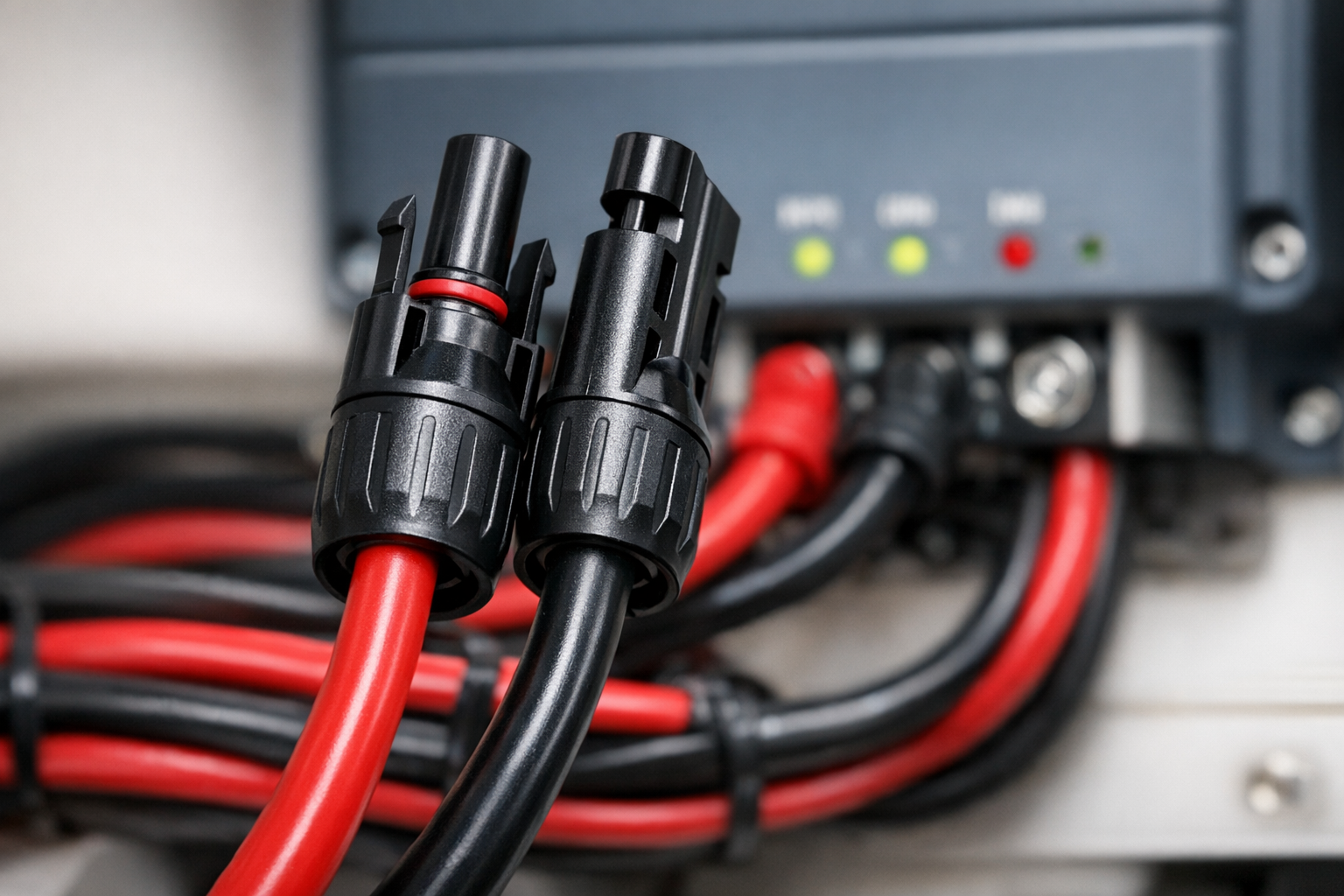
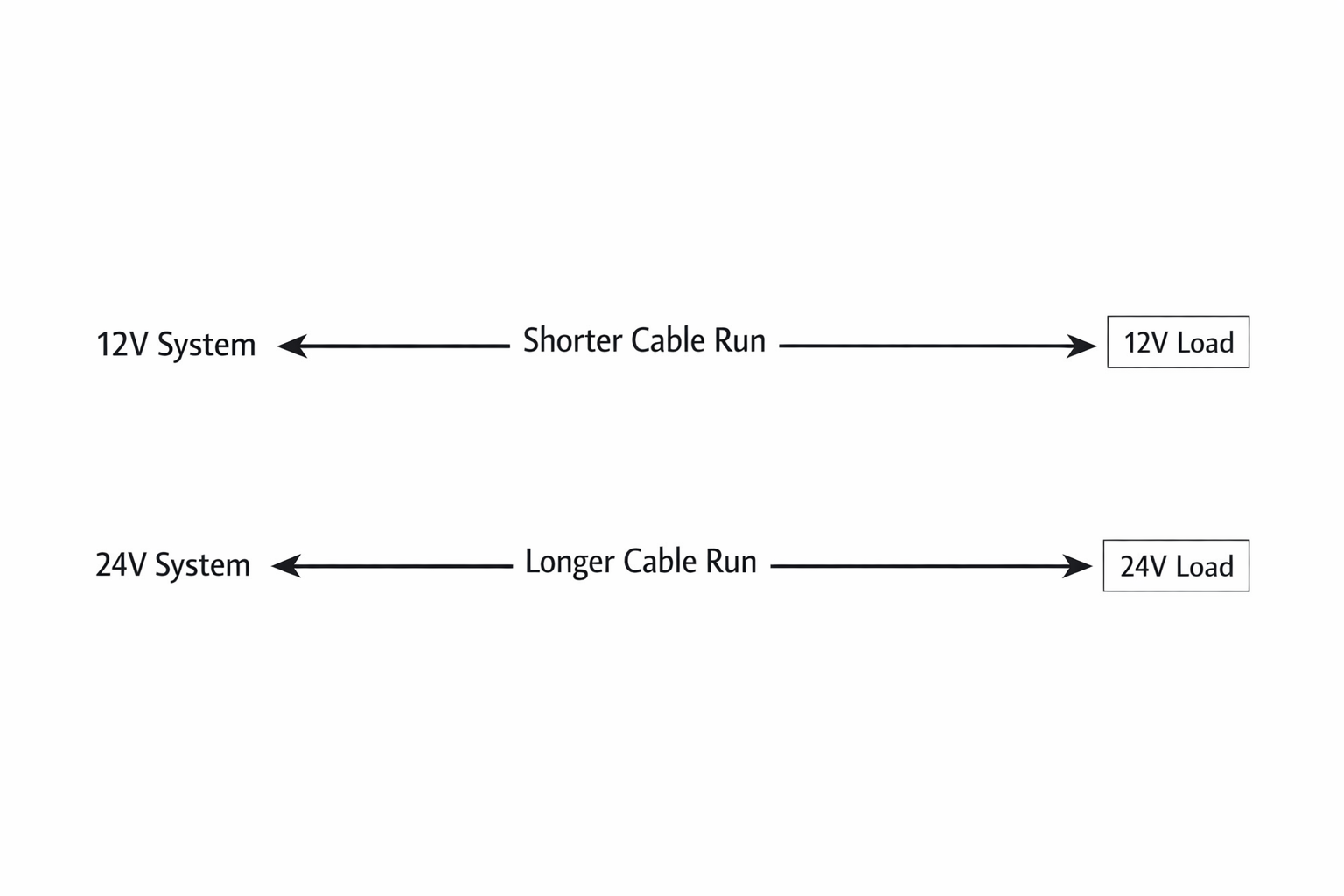
Boondockers running a 48V lithium bank — increasingly common as drop-in 48V server rack batteries become affordable — need an inverter charger that can leverage that voltage advantage. The Victron MultiPlus-II 48/5000 delivers 5,000VA (4,000W continuous) with a 70A charger, all while benefiting from lower current draw on the DC side. Higher voltage means smaller cable runs, less voltage drop, and cooler operation.
This is the unit you choose when you want to run a 15,000 BTU rooftop air conditioner, a residential refrigerator, and a microwave without worrying about tripping limits. Like its 12V sibling, it integrates into the Victron ecosystem for full remote monitoring and supports PowerAssist for supplementing weak shore connections.
The trade-off is size, weight (roughly 55 lbs), and cost — expect to pay north of $2,500 for the unit alone, plus the investment in a 48V battery bank. This is overkill for a weekend warrior in a Class B van, but for full-time boondockers in a fifth wheel or Class A with serious power demands, it’s the gold standard in this roundup.
RICH SOLAR 3000W All-in-One Inverter Charger — Best All-in-One With Solar Input
If mounting three separate boxes — inverter charger, solar charge controller, and transfer switch — makes your head spin, RICH SOLAR’s all-in-one unit deserves a hard look. This 3,000W pure sine wave inverter charger includes a built-in 80A MPPT solar charge controller that accepts up to 4,000W of PV input at 48V battery voltage or around 1,600W at 24V. That’s enough for a serious rooftop solar array without a separate controller.
The MPPT tracking efficiency is rated at 99.5%, and the unit supports lithium, AGM, gel, and flooded batteries with configurable charge parameters via an LCD panel. A built-in automatic transfer switch handles shore power and generator switchover. For boondockers who value simplicity and minimal wiring, this consolidation is a genuine advantage — fewer failure points, less wall space consumed, and a cleaner installation.
The caveats: RICH SOLAR is a newer brand compared to Victron or AIMS, so the long-term reliability track record is shorter. The fan can be audible under heavy load, and the unit is only available in 24V and 48V configurations — 12V shoppers will need to look elsewhere. But for boondockers building a new system from scratch around a 24V or 48V lithium bank, this all-in-one approach is hard to beat on value.
Renogy 3000W 12V Pure Sine Wave Inverter Charger — Best Compact/Lightweight
Renogy has built a loyal following in the van life and small-RV community, and their 3000W inverter charger reflects that audience’s priorities: compact dimensions, manageable weight (under 30 lbs), and straightforward operation. The unit delivers 3,000W continuous with a 6,000W surge, a built-in 80A three-stage battery charger, and an automatic transfer switch — all in a package that fits in a tight van conversion cabinet.
Pure sine wave output is clean enough for CPAP machines, laptops, and sensitive AV equipment. Lithium battery compatibility is included, and Renogy’s ecosystem lets you pair it with their Bluetooth-enabled battery monitors and MPPT controllers for a cohesive monitoring experience. The price typically lands around $900 to $1,000.
Where Renogy gives up ground is in surge capacity and charger amperage compared to some competitors, and the transfer switch speed (around 10–20 ms) is adequate but not instantaneous. Some users report the cooling fan runs frequently under moderate loads, which can be noticeable in a small space. Still, for Class B vans, truck campers, and smaller travel trailers, the size-to-performance ratio is excellent.
Sigineer Power 3000W 12V Inverter Charger — Best for DIY Builders
Sigineer Power has carved out a niche among the DIY solar and off-grid community, and their 3000W 12V inverter charger is a favorite on forums like DIYSolarForum. The unit offers 3,000W continuous pure sine wave output, a 9,000W surge rating, and a robust 100A battery charger — one of the highest charge rates in the 12V 3,000W class. That fast charging is a real asset when you’re running a generator for a limited window and want to push as many amps into your lithium bank as possible.
Sigineer includes a built-in 30A transfer switch and supports programmable charging curves for LiFePO4 batteries. The build quality is industrial, with a steel enclosure and dual cooling fans. At around $800 to $950, it’s competitively priced and comes with responsive customer support that DIY builders appreciate when troubleshooting custom installations.
The downside is brand recognition and resale value — Sigineer doesn’t have the name cachet of Victron or even Renogy, which can matter if you sell your rig later. The unit is also on the heavier side at around 40 lbs. But if you’re building a custom boondocking power system and want maximum charge rate per dollar, Sigineer deserves serious consideration.
Xantrex Freedom XC Pro 3000W — Best for OEM-Style Integration
Xantrex has been an OEM supplier to RV manufacturers for decades, and the Freedom XC Pro 3000W reflects that pedigree. This 3,000W pure sine wave inverter charger features a 150A battery charger (the highest in this roundup), a built-in 50A transfer switch, and Xantrex’s Power Hub networking capability for monitoring via their app. It’s designed as a drop-in replacement for factory-installed Xantrex or Magnum units, making it ideal for boondockers upgrading an existing system without rewiring.
The Freedom XC Pro supports lithium, AGM, and flooded batteries, and its configurable charging profiles are accessible through the optional remote panel or Bluetooth app. The transfer switch speed is under 16 ms, and the unit handles generator input gracefully with automatic frequency detection.
The premium price — typically $1,800 to $2,200 — is the main barrier. You’re paying for the Xantrex name, the high charger amperage, and the seamless OEM-style fit. For boondockers who want a plug-and-play upgrade with minimal custom fabrication, it’s a strong choice. For budget-conscious DIYers, the AIMS or Sigineer delivers similar wattage for significantly less.
Comparison Table
| Model | Type | Key Specs | Best for | Pros | Cons | Where to buy |
|---|---|---|---|---|---|---|
| Victron MultiPlus-II 3000VA 12V | Pure Sine Wave Inverter Charger | 3,000VA / 2,400W cont., 120A charger, 12V, <20 ms transfer | Best Overall | Exceptional build quality; deep programmability; Victron ecosystem integration; PowerAssist | Expensive; no built-in solar input; steep learning curve | Amazon ↗ |
| AIMS Power 3000W 12V | Pure Sine Wave Inverter Charger | 3,000W cont., 9,000W surge, 85A charger, 12V, 30A transfer switch | Best Budget Option | Affordable; strong surge rating; lithium compatible; US-based support | No app/Bluetooth; heavier (38 lbs); simpler charging algorithm | Amazon ↗ |
| Victron MultiPlus-II 48/5000 | Pure Sine Wave Inverter Charger | 5,000VA / 4,000W cont., 70A charger, 48V, <20 ms transfer | Best for Large Battery Banks | Massive output; 48V efficiency; full Victron ecosystem; PowerAssist | Heavy (55 lbs); expensive; requires 48V battery bank | Amazon ↗ |
| RICH SOLAR 3000W All-in-One | Inverter Charger + MPPT Solar Controller | 3,000W cont., 80A MPPT built-in, 24V/48V, LCD panel | Best All-in-One With Solar Input | Built-in 80A MPPT; fewer components; competitive price; lithium compatible | No 12V option; newer brand; fan noise under load | Amazon ↗ |
| Renogy 3000W 12V | Pure Sine Wave Inverter Charger | 3,000W cont., 6,000W surge, 80A charger, 12V, <30 lbs | Best Compact/Lightweight | Light and compact; clean sine wave; Renogy ecosystem; mid-range price | Lower surge than competitors; fan runs often; moderate charger amps | Amazon ↗ |
| Sigineer Power 3000W 12V | Pure Sine Wave Inverter Charger | 3,000W cont., 9,000W surge, 100A charger, 12V, 30A transfer switch | Best for DIY Builders | 100A charger; strong surge; programmable LiFePO4 profiles; good price | Lower brand recognition; heavy (40 lbs); limited resale cachet | Amazon ↗ |
| Xantrex Freedom XC Pro 3000W | Pure Sine Wave Inverter Charger | 3,000W cont., 150A charger, 12V, 50A transfer switch, <16 ms | Best for OEM-Style Integration | 150A charger; OEM drop-in fit; Bluetooth app; 50A transfer switch | Premium price; no built-in solar input; heavier than Renogy | Amazon ↗ |
As an Amazon Associate I earn from qualifying purchases.
Which One Should You Buy?
Your ideal inverter charger depends on three things: your rig size, your battery bank voltage, and how deep you want to go with system monitoring.
Weekend boondocker in a travel trailer or small Class C: You’re running a few lights, charging phones and laptops, maybe making coffee with a 1,000W electric kettle. A 3,000W unit on a 12V system is plenty. The AIMS Power 3000W gives you everything you need at the lowest cost, and the Renogy 3000W is the pick if space is tight. Either pairs well with a 200–400Ah lithium bank and 200–400W of rooftop solar.
Full-time boondocker in a fifth wheel or Class A: You’re running a residential fridge, a microwave, an Instant Pot, and possibly air conditioning. Your battery bank is likely 400Ah or larger, and you may have 800+ watts of solar on the roof. This is Victron MultiPlus-II territory. The 12V/3000VA model handles most loads, but if you’re committed to running AC regularly or have a 48V bank, step up to the 48/5000. The investment in the Victron ecosystem — SmartSolar MPPT, Cerbo GX, and the VRM online portal — pays dividends in visibility and control when you’re weeks away from a service center.
Van lifer or truck camper builder on a budget: Space and weight are at a premium, and you’re probably building the electrical system yourself. The Renogy 3000W is the lightest option and fits in a compact cabinet. If you want the fastest possible battery charging during short generator runs, the Sigineer Power’s 100A charger is a compelling differentiator — you’ll push roughly 1,200W into your 12V lithium bank, cutting generator run time significantly.
Solar-first boondocker building a new system: If you’re starting from scratch with a 24V or 48V lithium bank and a large solar array, the RICH SOLAR all-in-one eliminates the need for a separate MPPT controller. That’s one less box to mount, one less set of wires to run, and one less potential failure point. The built-in 80A MPPT handles up to about 1,600W of solar at 24V — enough for most RV rooftops.
Upgrading a factory-installed system: Many newer RVs come with a basic Xantrex or Magnum inverter. If you’re swapping to lithium batteries and want a drop-in replacement that uses existing wiring and mounting points, the Xantrex Freedom XC Pro 3000W is engineered for exactly this scenario. Its 150A charger is the fastest in this roundup, and the 50A transfer switch matches the 50A shore power setup common in larger rigs.
Safety & Common Mistakes
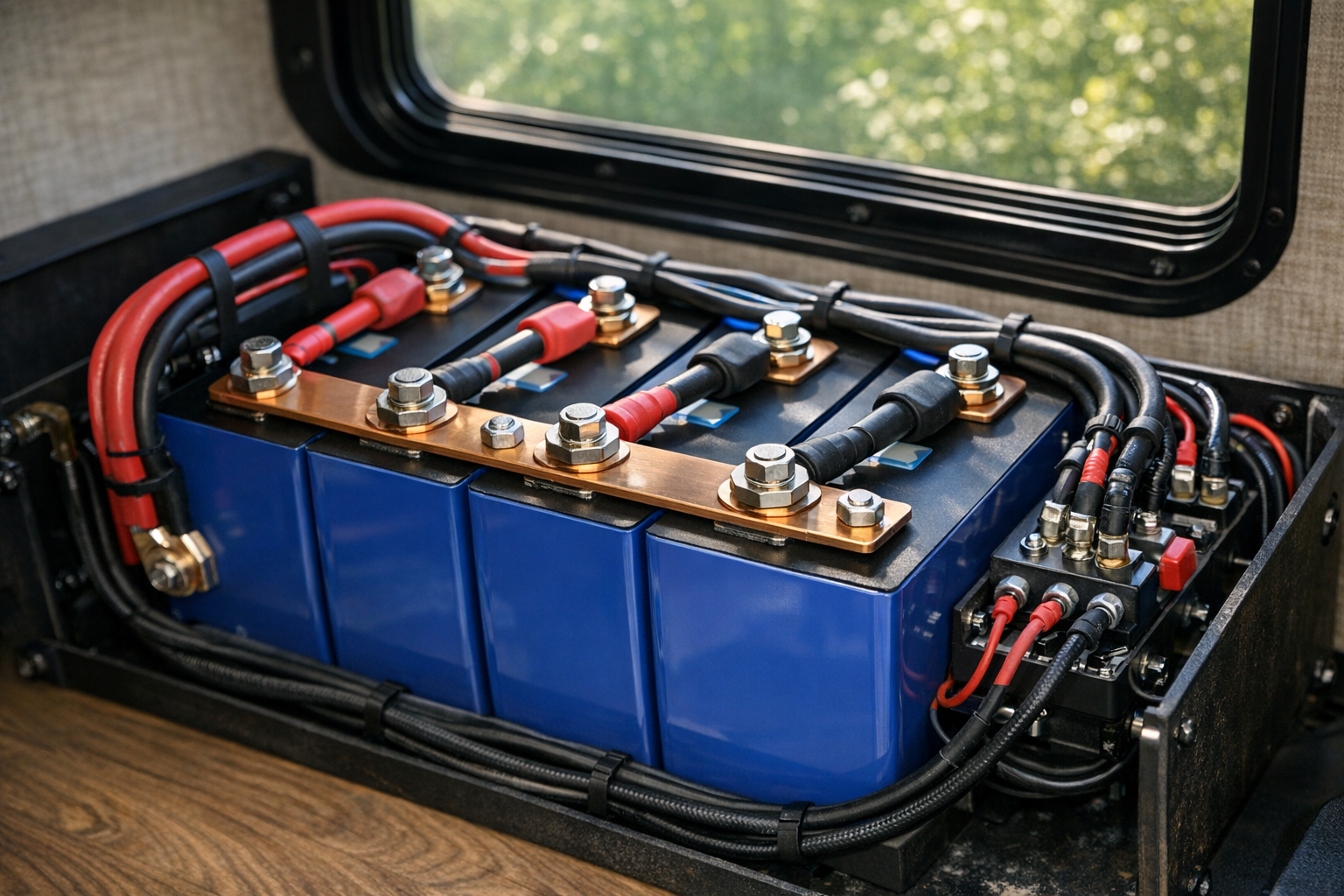
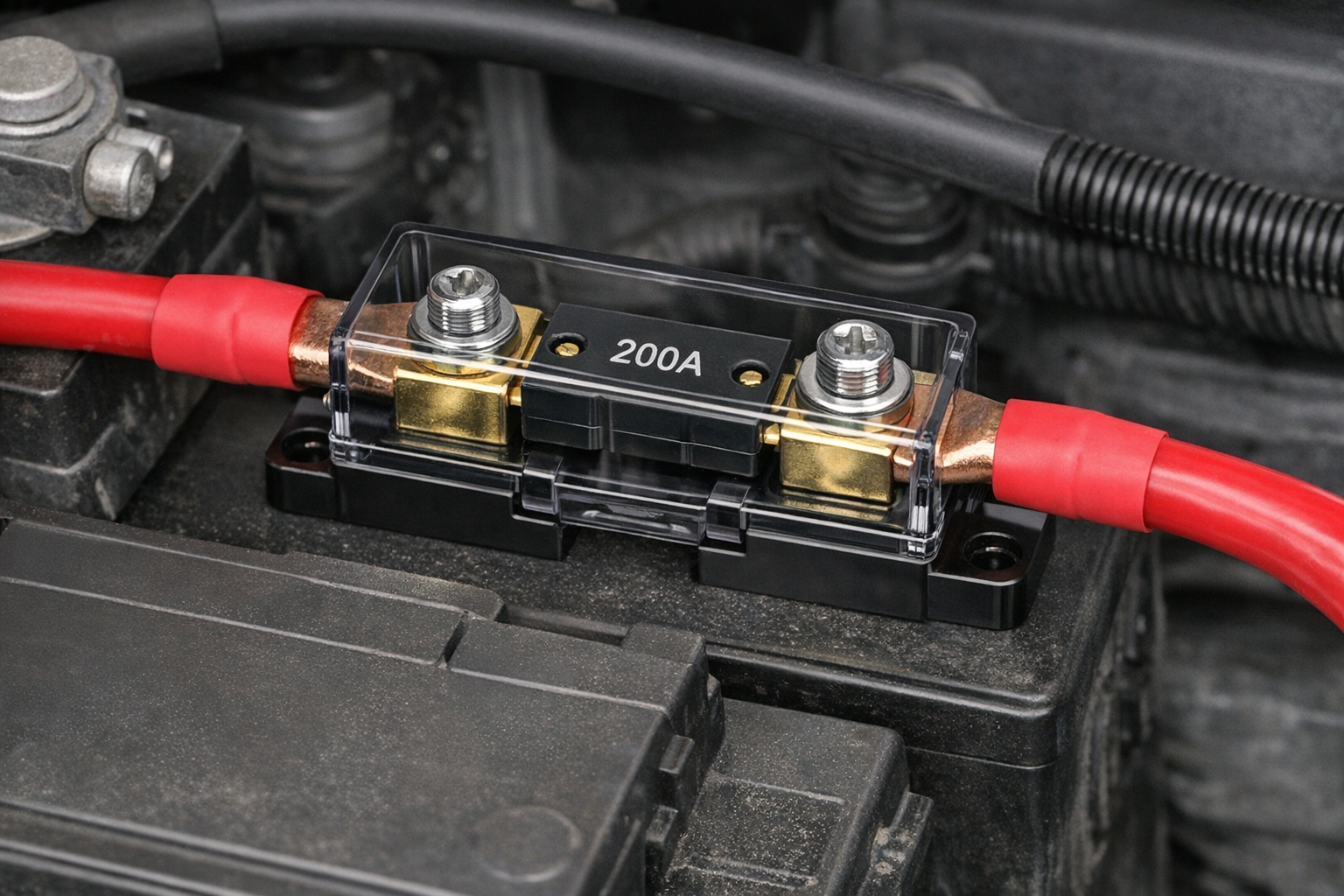
- Undersized wiring is the #1 danger. A 3,000W inverter on a 12V system draws up to 250A on the DC side. You need 4/0 AWG (or larger) copper cable for runs over a few feet, and a Class T fuse rated appropriately (typically 300–400A) within 12 inches of the battery positive terminal. Undersized wire causes voltage drop, heat buildup, and potential fire.
- Don’t skip the fuse between the battery and inverter. Even if the inverter has internal protection, an external Class T or ANL fuse is a non-negotiable safety requirement. A dead short on unfused 4/0 cable connected to a lithium bank can deliver thousands of amps in milliseconds — enough to melt copper and start a fire before any internal breaker trips.
- Ventilation matters more than you think. Mount the unit in a ventilated compartment with at least 4–6 inches of clearance on all sides, and never block the cooling fan intake or exhaust. In hot desert boondocking conditions, inadequate ventilation can trigger thermal derating, reducing your available wattage by 20–40%.
- Don’t exceed your continuous rating with resistive loads. Electric space heaters (1,500W), electric water heaters (1,200–1,500W), and hair dryers (1,800W) can individually approach a 3,000W inverter’s continuous limit — running two simultaneously will trip overload protection. Total your simultaneous loads before flipping switches.
- Match your charging profile to your battery chemistry. Applying an AGM charge profile to a lithium bank (or vice versa) can undercharge, overcharge, or damage your batteries. Verify the inverter charger’s charging voltage and current settings match your battery manufacturer’s specifications — especially absorption voltage, float voltage, and cutoff parameters for LiFePO4 cells.
- Turn the inverter off when not in use. Most inverter chargers draw 15–25W in standby. Over 24 hours, that’s 360–600 Wh — a meaningful chunk of a smaller battery bank. Use a remote on/off panel for convenience.
Always follow the National Electrical Code (NEC) and your inverter manufacturer’s installation manual. When in doubt, hire a certified RV electrician.
FAQs
- Is it okay to leave an RV inverter on all the time? Technically yes, but it’s not ideal for boondocking. Most inverter chargers draw 15–25W in standby, which adds up to 360–600 Wh per day. On a 200Ah lithium bank (roughly 2,000–2,160 usable Wh at 80–90% depth of discharge), that’s a significant overnight drain. Most experienced boondockers use a remote switch panel to turn the inverter on only when they need AC power.
- What size inverter charger do I need for boondocking? List every AC appliance you plan to run simultaneously and add up their wattage. Most boondockers find that a 3,000W pure sine wave inverter charger covers the essentials: a microwave (1,000–1,200W), a coffee maker (900–1,200W), laptop chargers, and entertainment systems — just not all at the same time. If you want to run a rooftop air conditioner (which needs 2,800–3,500W at startup), you’ll need at least a 3,000W unit with strong surge capacity, or a 5,000W unit for comfortable headroom.
- Can I run my RV air conditioner on an inverter charger? Yes, but you need the right combination of inverter size and battery capacity. A single 13,500 BTU RV air conditioner draws about 1,200–1,500W while running but can surge to 2,800–3,500W at startup (less with a soft-start kit, which reduces the surge to around 1,500–1,800W). A 3,000W inverter charger with a 9,000W surge rating can handle this, especially with a soft-start installed. On the battery side, expect to consume roughly 1,300–1,500 Wh per hour of AC runtime, so a 400Ah 12V lithium bank (roughly 3,840–4,320 usable Wh at 80–90% DoD) gives you about 2.5–3.3 hours before you need solar or a generator to recharge.
- Do I need a pure sine wave inverter for my RV? Strongly recommended. Modified sine wave inverters are cheaper, but they produce a stepped waveform that can cause buzzing in audio equipment, overheating in certain motor-driven appliances (like microwave turntables and fan motors), and outright failure in sensitive electronics like CPAP machines, laptop chargers with active PFC, and modern refrigerator compressors. Every unit outputs a pure sine wave, and the small price premium over modified sine wave is well worth it.
- Can an inverter charger work with lithium batteries? Yes, and most quality inverter chargers now include a selectable LiFePO4 charging profile. Lithium iron phosphate batteries require specific charge voltages — typically 14.2–14.6V for a 12V bank — and do not need a float stage the way lead-acid batteries do. When setting up your inverter charger, select the lithium profile or manually program the absorption voltage, float voltage (often set equal to or slightly below absorption for LiFePO4), and charge current to match your battery manufacturer’s recommendations. Mismatched profiles can lead to undercharging or triggering the battery’s internal BMS to disconnect.
- How long will an inverter charger run on my RV battery bank? Runtime is a straightforward calculation: divide your usable battery capacity (in watt-hours) by your load (in watts), then account for inverter efficiency (typically 85–90%). For example, a 400Ah 12V lithium bank provides about 3,840–4,320 usable Wh (400Ah × 12V × 80–90% depth of discharge). Running a 500W load through an inverter at 88% efficiency means you’re actually drawing about 568W from the battery, giving you roughly 6.8–7.6 hours of runtime. A 1,500W load cuts that to about 2.3–2.5 hours.
Conclusion
The best RV inverter charger for boondocking is the one that matches your power demands, battery bank, and installation complexity — not necessarily the most expensive unit on the shelf. For most boondockers running a 12V lithium system with moderate loads, a 3,000W pure sine wave inverter charger is the sweet spot. The Victron MultiPlus-II 3000VA 12V earns the top spot for its unmatched reliability, programmability, and ecosystem depth, but the AIMS Power 3000W proves you don’t need to spend $2,000 to get clean, dependable off-grid power.
If you’re building a new system from scratch, consider whether a 24V or 48V architecture — paired with the RICH SOLAR all-in-one or the Victron 48/5000 — makes more sense for your long-term needs. Higher voltage means thinner cables, less heat, and better efficiency at scale. Regardless of which unit you choose, invest the time to size your wiring correctly, install proper fusing, and configure your charging profile to match your exact battery chemistry. A well-installed inverter charger is the heart of a boondocking electrical system — get it right, and you’ll have reliable, silent, solar-powered comfort anywhere the road takes you.